608 6-Ball Bearing – Fewer Balls, Bigger Balls, Faster Roll
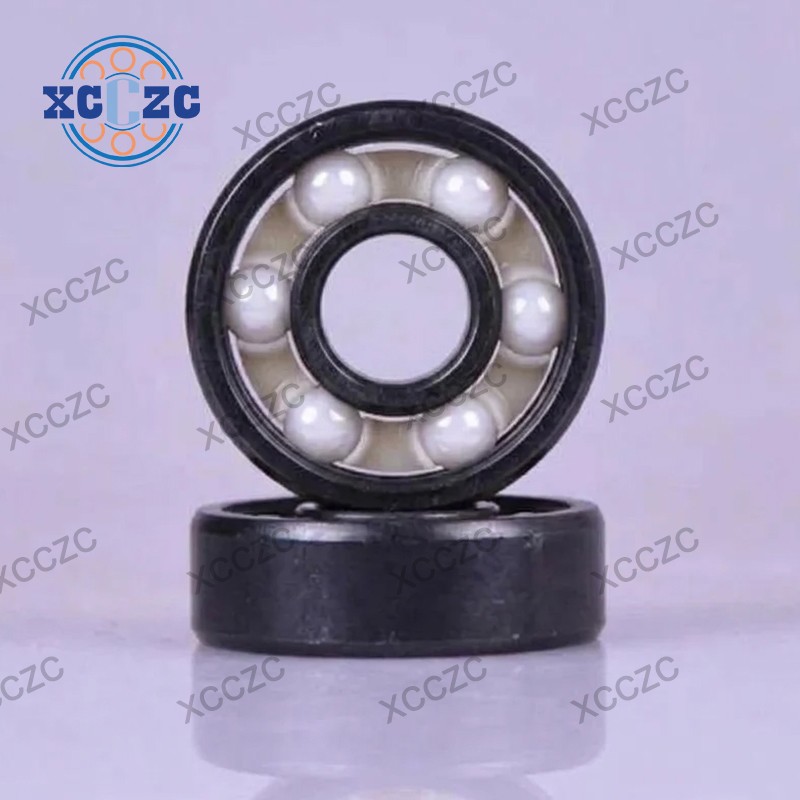
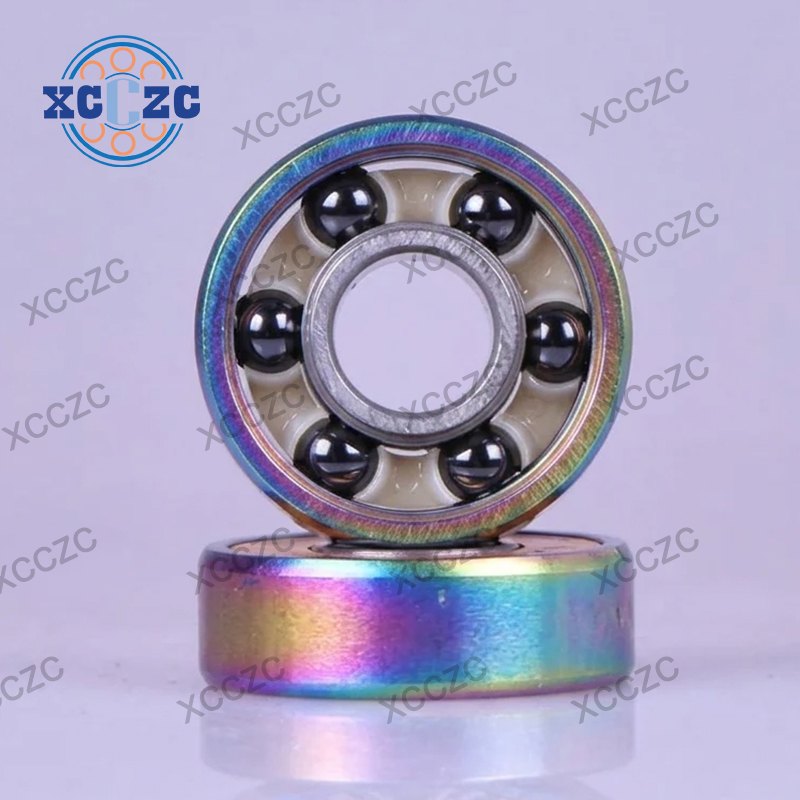
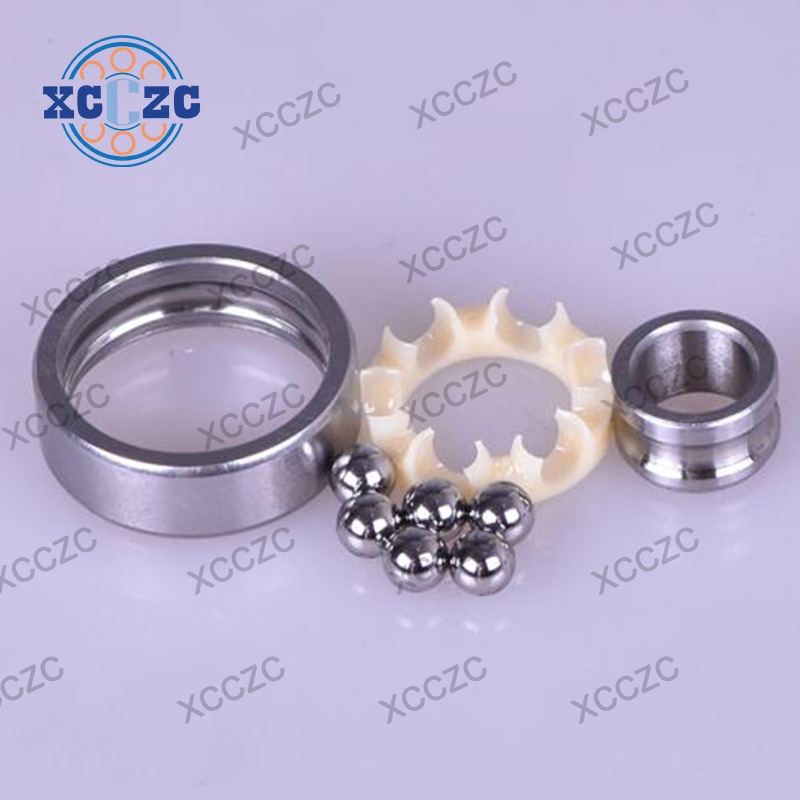
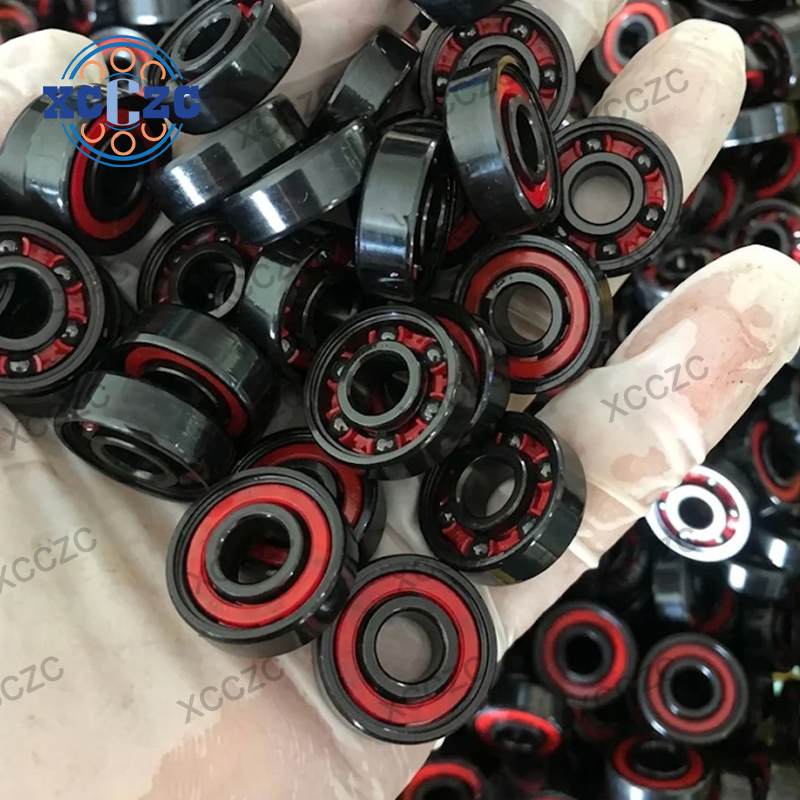
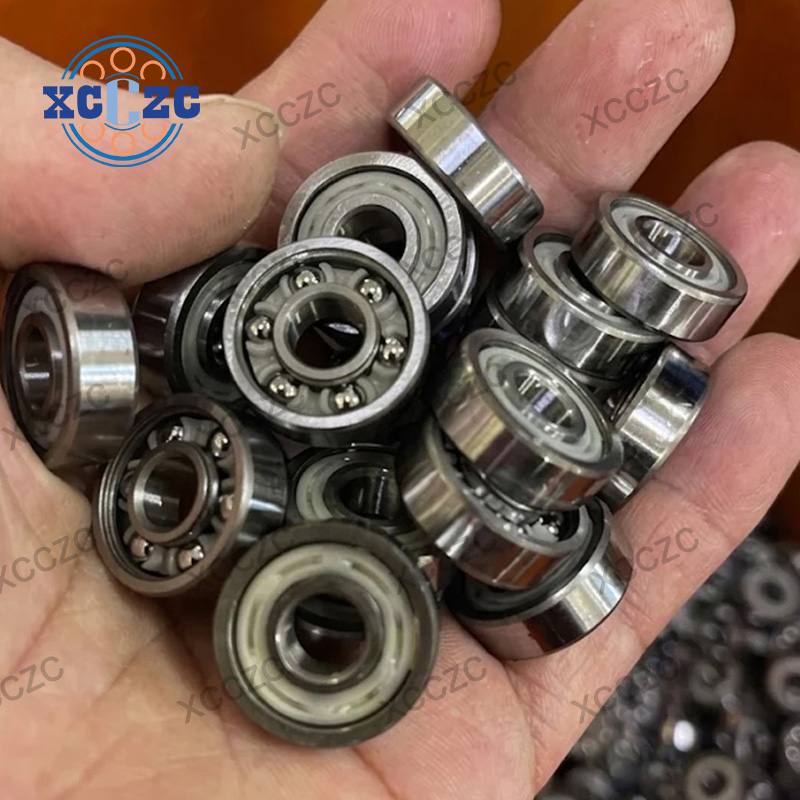
The 608 6-ball bearing takes the same universal 8×22×7 mm envelope and replaces the seven-ball complement with six larger-diameter balls. This is not a cost-reduction exercise. It is a deliberate speed-oriented design choice, and it changes how the bearing accelerates, rolls, and responds under load.
Key Features:
1. Fewer Balls, Larger Diameter, Lower Drag – With six balls instead of seven, the bearing has one fewer rolling element disturbing the lubricant film and contributing to viscous drag. The six balls are larger in diameter, maintaining raceway contact while reducing the total number of ball-to-raceway contacts per revolution. In practical skate and RC terms, this shows up as faster acceleration and a more free-feeling roll.
2. Reduced Rotational Inertia – Fewer balls mean less total mass rotating inside the bearing. Lower inertia translates into quicker spin-up: the bearing reaches speed with less input energy, which is why 6-ball designs are marketed on acceleration as much as top speed.
3. Ceramic Option Amplifies the Effect – In a ceramic 6-ball 608, the balls are both fewer and significantly lighter than steel. Lighter balls reduce centrifugal load on the raceways and further cut rotational inertia, allowing even faster spin and lower energy loss to maintain speed.
4. The Trade-Off: Load Distribution and Durability – The 6-ball layout is not the maximum-load configuration. With only six balls sharing the load, the load capacity and durability margin are lower than a 7-ball bearing of the same size, even though each individual ball is larger. For a skateboard, inline skate, or RC application where speeds and acceleration matter more than static load margin, this is an acceptable—and often desirable—trade. For heavy industrial or high-shock applications, a 7-ball or full-complement design is the safer choice.
Applications
The 608 6-ball bearing is built for speed-priority, low-to-moderate load applications:
Skateboards and Longboards – The original 6-ball application. The faster acceleration and higher top-speed character are directly noticeable on push and roll.
Inline Skates and Roller Skates – Speed and fitness skating benefit from the reduced drag of the 6-ball layout.
RC Cars and Small Motor Applications – High-RPM, low-load bearing positions where quick spin-up matters.
Fidget Spinners and Yo-Yos – The 6-ball ceramic variant has been used in spin-focused designs where ball count and low friction affect spin time.









Reviews
There are no reviews yet.