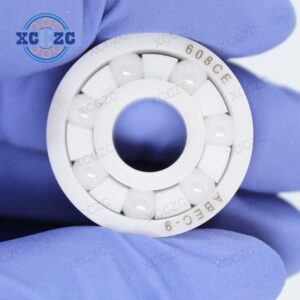
In vielen Industrieanlagen, Lagerausfälle treten nicht plötzlich auf – sie beginnen mit Korrosion, Kontamination, und allmähliche Oberflächenverschlechterung. Sobald Stahllager Chemikalien ausgesetzt sind, Salzwasser, oder Vakuuminstabilität, Die Leistung sinkt, lange bevor sichtbare Schäden auftreten.
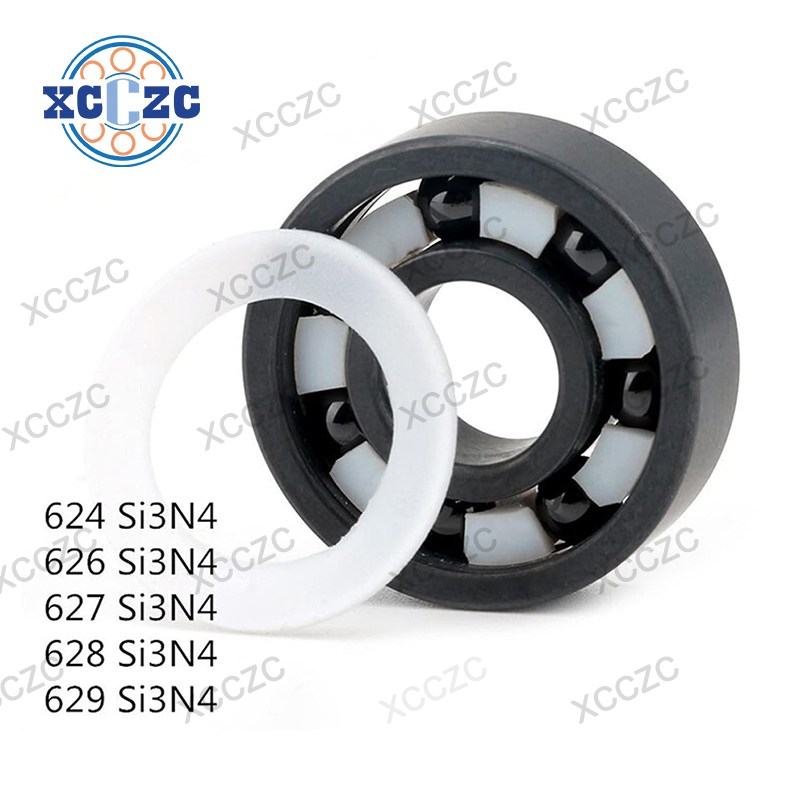
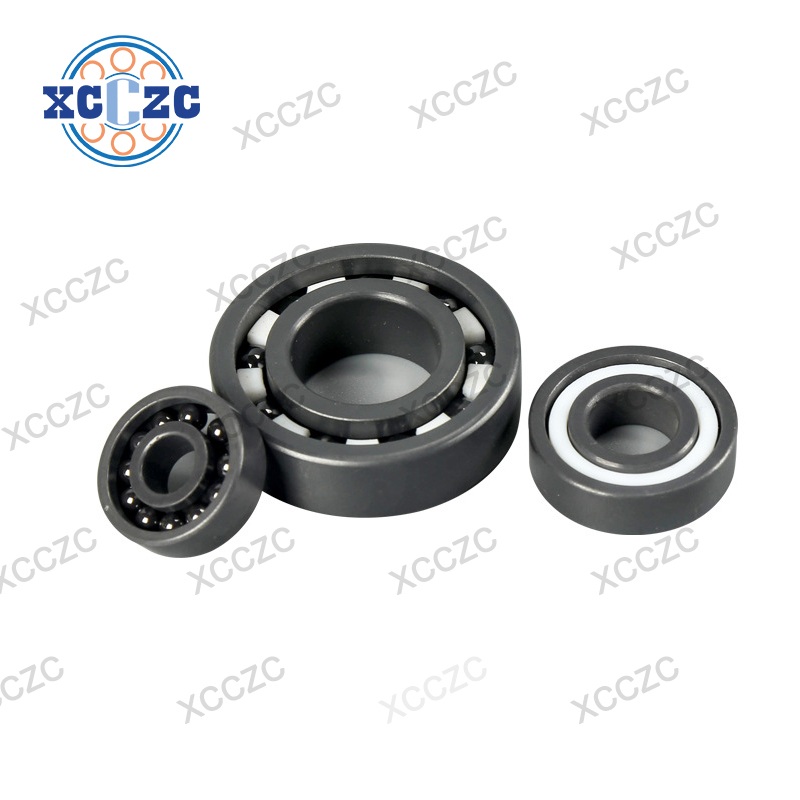
Hier ist Korrosionsbeständige Keramiklager zu einem entscheidenden technischen Upgrade werden. Bei XCCZC Bearing, Wir entwickeln Vollkeramik-Rillenkugellager aus Si3N4, um korrosionsbedingte Fehlerquellen vollständig zu eliminieren. Statt Umweltschäden zu bekämpfen, Sie entfernen das Material, das damit reagiert.
Warum Korrosion zur eigentlichen Fehlerquelle wird
Korrosion ist nicht nur Rost – es ist ein struktureller Abbauprozess, der sich direkt auf die Rotationsstabilität auswirkt.
Unter realen Industriebedingungen, Sie sehen normalerweise:
Chemische Verarbeitungssysteme, bei denen Säuren die Laufbahnen nach und nach erodieren
Schiffsausrüstung, die ständigem Salzwasserspray ausgesetzt ist
Pharmazeutische Systeme, in denen Reinigungsmittel die Schmieroberflächen angreifen
Vakuumsysteme, in denen herkömmliche Schmierstoffe verdampfen oder sich zersetzen
Sobald Korrosion beginnt, die Reibung nimmt zu, Hitze steigt, und der Lagerausfall beschleunigt sich exponentiell.
Stahllager und sogar Edelstahlvarianten verzögern diesen Prozess nur – sie beseitigen ihn nicht.
Was korrosionsbeständige Si3N4-Keramiklager auszeichnet
Siliziumnitrid (Si3N4) ist chemisch inert, Das bedeutet, dass es mit den meisten Säuren nicht reagiert, Alkalien, oder Lösungsmittel.
Dadurch entsteht ein grundlegend anderes Ausfallverhalten:
Keine Oxidationsschichtbildung
Kein elektrochemischer Korrosionsprozess
Keine Oberflächennarben oder Ablagerungen
Stabile Leistung bei Trockenheit, nass, oder Vakuumbedingungen
Im Gegensatz zu Hybridlagern, Die Vollkeramikkonstruktion verzichtet vollständig auf Stahl, Eliminierung des schwächsten Elements in korrosiven Umgebungen.
Vollkeramiklager vs. Stahllager in korrosiven Umgebungen
Leistungsfaktor
Stahllager
Edelstahllager
Si3N4-Keramiklager
Säurebeständigkeit
Arm
Medium
Exzellent
Salzwasserbeständigkeit
Arm
Beschränkt
Exzellent
Vakuumkompatibilität
Niedrig
Medium
Hoch
Schmierungsabhängigkeit
Hoch
Hoch
Niedrig / Trockenlauf
Wartungshäufigkeit
Hoch
Medium
Sehr niedrig
Dieser Vergleich ist der Grund korrosionsbeständige Keramiklager werden zunehmend in hochzuverlässigen Industriesystemen eingesetzt.
Technische Vorteile von Si3N4-Vollkeramiklagern
Mehr als nur Korrosionsbeständigkeit, Si3N4-Keramiklager bieten mehrere Vorteile auf Systemebene:
Elektrische Isolierung verhindert Lichtbogenschäden in Motoren und Generatoren
Nichtmagnetisches Verhalten unterstützt MRT und Präzisionsinstrumentierung
Die leichte Struktur reduziert die Zentrifugalbelastung bei hohen Drehzahlen
Die selbstschmierende Leistung ermöglicht einen Trockenlauf im Vakuum oder in sauberen Umgebungen
Aufgrund dieser Eigenschaften eignen sie sich nicht nur für raue Umgebungen, sondern auch für präzisionsgesteuerte Systeme.
Behandelt starke Säuren, Alkalien, und Lösungsmittel ohne Oberflächenzerstörung, Gewährleistung eines stabilen Betriebs in kontinuierlichen Reaktionssystemen.
Marine- und Offshore-Ausrüstung
Beständig gegen Salzwasserkorrosion in Pumpen, Antriebssysteme, und Unterwassermontagen.
Halbleiter- und Vakuumsysteme
Funktioniert zuverlässig in Vakuumumgebungen, in denen herkömmliche Schmiermittel versagen oder verdampfen.
Luft- und Raumfahrt- und High-Tech-Ausrüstung
Unterstützt Leichtgewicht, nicht magnetisch, und hochstabile rotierende Systeme.
Lebensmittel und medizinische Ausrüstung
Sorgt für einen sauberen Betrieb mit minimalem Kontaminationsrisiko.
Technische Designoptionen für die industrielle Integration
Um unterschiedliche Systemanforderungen zu erfüllen, XCCZC-Lager bietet mehrere Strukturkonfigurationen:
Vollständige Ausführungen (kein Käfig für extreme Lastverteilung)
Anpassung von Miniatur- bis Großdurchmessern
Metrische und Zoll-Größenoptionen
Für spezielle industrielle Integrationsprojekte ist eine OEM-Anpassung möglich.
Installations- und Anwendungsanleitung
Für optimale Leistung korrosionsbeständiger Keramiklager:
Stellen Sie sicher, dass das Gehäuse frei von metallischen Verunreinigungen ist
Vermeiden Sie beim Einbau mechanische Einwirkungen
Achten Sie auf eine präzise Ausrichtung, um Kantenbelastungen zu vermeiden
Wählen Sie den geeigneten Abstand basierend auf den Temperatur- und Lastbedingungen
Je nach Systemauslegung Trockenlaufschmierung oder verträgliche Schmierung verwenden
Die korrekte Installation wirkt sich direkt auf die Lagerlebensdauer und die Systemeffizienz aus.
Technische Zuverlässigkeit und Fertigungskontrolle
Unser Qualitätssystem umfasst:
100% Inspektion vor dem Versand
Materialüberprüfung für Si3N4-Keramikkomponenten
Maß- und Toleranzprüfung für Präzisionsanwendungen
OEM- und kundenspezifische technische Unterstützung für globale Kunden
Wir bedienen Automatisierung, Energie, medizinisch, chemisch, und Halbleiterindustrie weltweit, Unterstützung stabiler industrieller Lieferketten
FAQ
Q1: Sind korrosionsbeständige Keramiklager besser als Edelstahllager??
Ja, in chemisch aggressiver oder mariner Umgebung, Si3N4-Keramiklager bieten eine deutlich höhere Widerstandsfähigkeit und längere Lebensdauer.
Q2: Können Si3N4-Keramiklager ohne Schmierung laufen??
Ja, Sie unterstützen den Trockenlauf in vielen Anwendungen, insbesondere Vakuum- oder chemische Umgebungen.
Abschluss
In korrosiven und chemisch aggressiven Umgebungen, Lagerausfälle sind kein mechanisches Problem, sondern eine materielle Einschränkung. Korrosionsbeständige Keramiklager Beseitigen Sie diese Einschränkung, indem Sie reaktive Metalle durch chemisch inerte Si3N4-Keramik ersetzen. Mit XCCZC-Lager technische Fähigkeiten, Diese Lösungen liefern eine stabile Leistung, reduzierte Wartungszyklen, und langfristige Zuverlässigkeit in kritischen Industriesystemen.
CTA
Wenn Sie korrosionsbeständige Keramiklager für die Chemieindustrie beziehen, Marine, leer, oder hochpräzise Anwendungen, Kontaktieren Sie XCCZC Bearing für OEM-Anpassungen, technische Zeichnungen, und anwendungsspezifische technische Unterstützung.
🌐 Ich. Brancheneinblicke – Wachsende Nachfrage inmitten der Automatisierung 📈 Intelligente Fertigung erschließt einen Billionen-Yuan-MarktWährend die globale industrielle Automatisierung weiter voranschreitet, das Präzisionslager...
In der anspruchsvollen Welt der Industriemaschinen, Der Unterschied zwischen Spitzenleistung und kostspieligen Ausfallzeiten liegt oft in einer einzigen Komponente: das Lager. Seit 2002,...

 von XCCZC