High-strength rod ends

High-Strength Rod Ends: Materials, Load & 表现

Modern machinery relies on countless moving components working together under demanding conditions. Among these critical parts, high-strength rod ends play a vital role in maintaining precise motion, accommodating misalignment, and supporting heavy loads. Whether installed in industrial automation systems, agricultural equipment, heavy vehicles, or hydraulic machinery, these components help improve reliability while reducing wear and maintenance costs.

As equipment becomes more powerful and operating conditions become more challenging, selecting the right rod end is no longer a simple purchasing decision. 反而, engineers and maintenance teams evaluate factors such as load ratings, material strength, lubrication requirements, and environmental resistance. Understanding these factors can help prevent premature failures and improve overall system performance. Most importantly, choosing the correct high-strength rod ends can significantly extend equipment service life while reducing downtime.

Why High-Strength Rod Ends Matter

Many mechanical systems experience constant movement, 振动, and changing loads. Under these conditions, traditional rigid connections can create excessive stress and accelerate component wear. By contrast, rod ends provide controlled articulation while maintaining secure mechanical connections.

Because of their spherical bearing design, these components can compensate for angular misalignment without transferring unnecessary stress to adjacent parts. 因此, machinery operates more smoothly and efficiently.

此外, properly selected rod ends offer several important benefits:

  • Improved motion accuracy
  • Reduced vibration transfer
  • Greater load-handling capability
  • Longer service life
  • Lower maintenance requirements

最后, industries ranging from manufacturing to transportation depend on rod ends to maintain reliable equipment operation.

Understanding Rod End Construction

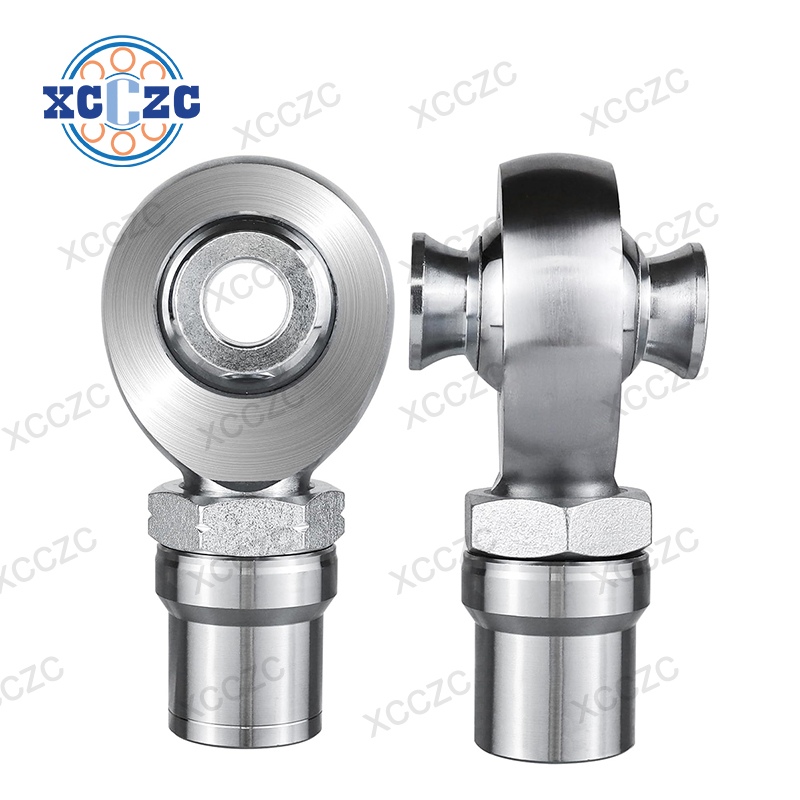
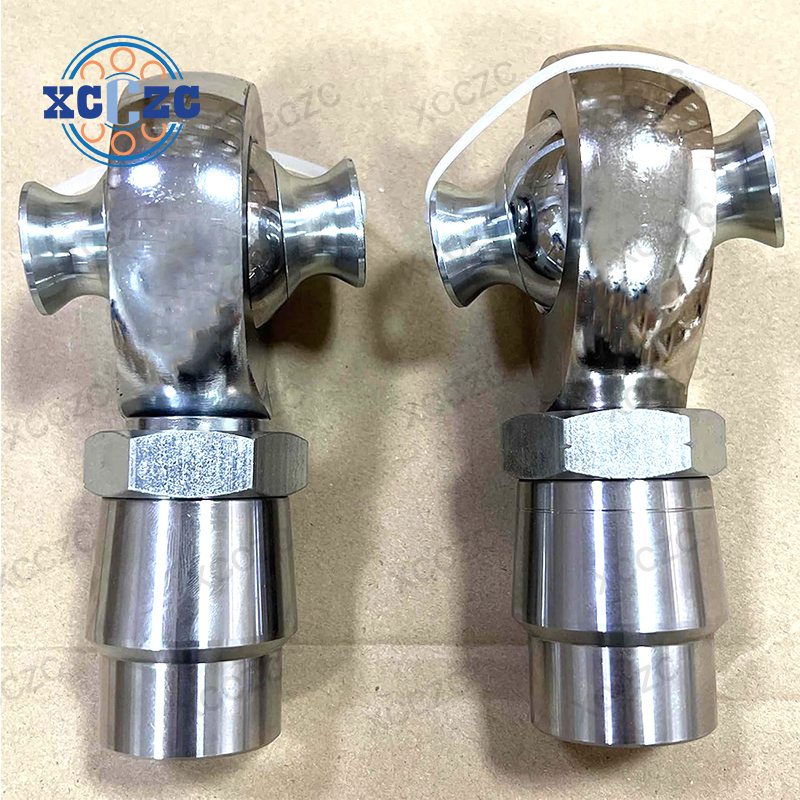
A rod end consists of a spherical bearing enclosed within a housing that includes either internal or external threads. This design allows rotational movement while accommodating angular misalignment.

Although basic rod ends appear simple, material selection has a major impact on performance. For demanding applications, manufacturers often use alloy steels specifically engineered to withstand heavy loads and repeated stress cycles.

Why 4130 Chromoly and SCM440 Steel Are Preferred

Many premium chromoly rod ends are manufactured from 4130 Chromoly Steel or SCM440 Alloy Steel. These materials are commonly used in aerospace structures, off-road vehicles, racing suspension systems, and industrial equipment because they provide exceptional mechanical properties.

Compared with conventional carbon steel, these alloys offer:

Property4130 Chromoly SteelSCM440 Alloy Steel
Ultimate Tensile StrengthHighHigh
Yield StrengthExcellentExcellent
Fatigue ResistanceSuperiorVery Good
Shock Load PerformanceOutstandingOutstanding
耐磨性ExcellentExcellent

In practical applications, higher Ultimate Tensile Strength allows rod ends to withstand greater loads before failure. Meanwhile, improved Yield Strength helps prevent permanent deformation during operation.

而且, heat treatment processes further enhance durability. When combined with hard chrome plating, these materials provide excellent wear resistance and corrosion protection, even in demanding environments.

PTFE-Lined vs Metal-to-Metal Rod Ends

Lubrication technology is another important factor when selecting rod ends. 今天, many buyers compare PTFE-lined designs with traditional metal-to-metal constructions.

PTFE-lined rod ends incorporate a self-lubricating liner that reduces friction and minimizes maintenance requirements. 最后, they perform particularly well in environments where regular lubrication is difficult.

FeaturePTFE-Lined Rod EndsMetal-to-Metal Rod Ends
润滑Self-lubricatingRequires grease
维护LowModerate
耐磨性Excellent好的
Noise LevelsLowerHigher
Service Life in Dusty ConditionsLongerShorter

For example, industrial automation systems often use PTFE-lined designs because maintenance access may be limited. Similarly, aerospace applications benefit from reduced maintenance requirements and smoother operation.

On the other hand, metal-to-metal rod ends remain a practical choice for applications requiring maximum load capacity in clean operating environments.

Common Applications of High-Strength Rod Ends

The versatility of rod ends allows them to serve a wide range of industries.

Industrial Automation

Modern production equipment depends on precise movement and reliable positioning. 所以, rod ends are frequently used in:

  • Robotic arms
  • Linear actuators
  • Automated assembly equipment
  • Material handling systems

Because these systems often operate continuously, durability and precision are essential.

Automotive and Suspension Systems

Vehicle suspension and steering assemblies experience constant vibration, shock loads, and directional forces.

因此, automotive suspension rod ends are commonly used in:

  • Control arms
  • Steering linkages
  • Toe links
  • Track rods
  • Performance suspension systems

此外, off-road vehicles often require heavy-duty Heim joint bearings capable of handling extreme impacts and harsh operating conditions.

农业设备

Agricultural machinery operates in environments filled with dust, moisture, and debris.

最后, manufacturers often select corrosion resistant rod ends for:

  • Tractor steering systems
  • Loader arms
  • Hydraulic controls
  • Harvesting equipment

Because these applications involve continuous movement, high-quality rod ends help reduce maintenance frequency.

Heavy Equipment and Construction Machinery

Excavators, cranes, loaders, and mining equipment place tremendous stress on articulation points.

所以, high load rod end bearings are frequently installed in:

  • Hydraulic cylinder mounts
  • Pivot connections
  • Steering systems
  • Structural linkage assemblies

In these applications, reliability directly affects productivity and equipment uptime.

Why Rod Ends Fail Prematurely

Although manufacturing quality is important, improper selection is often the primary cause of rod end failure.

Several common issues contribute to reduced service life:

  • Insufficient static load rating
  • Excessive misalignment angles
  • Contamination from dust or moisture
  • Inadequate lubrication
  • Shock loads beyond design limits
  • Improper installation practices

为此原因, selecting the correct component specification is just as important as choosing a reputable manufacturer.

此外, routine inspection can help identify wear before it leads to unexpected equipment downtime.

heavy duty heim joint bearing,

Rod End Selection Matrix

Choosing the right rod end becomes much easier when evaluating key performance factors systematically.

Selection FactorRecommended Consideration
Load CapacityStatic and dynamic load ratings
材料4130 Chromoly, SCM440, Stainless Steel
Thread TypeRight-hand, left-hand, or female
润滑PTFE-lined or greaseable
EnvironmentDust, moisture, chemicals
Corrosion ProtectionChrome plating or stainless steel
Misalignment AngleApplication-specific requirement

By reviewing these criteria early in the selection process, buyers can avoid compatibility issues and maximize long-term performance.

Rod Ends Compared with Alternative Solutions

While several connection methods are available, rod ends provide unique advantages.

Compared with clevis joints, rod ends offer greater articulation and better misalignment compensation.

Likewise, rod ends typically provide more flexibility than traditional ball joints because they are available in a wider range of sizes and load capacities.

Meanwhile, conventional bearings primarily support rotational movement. In contrast, threaded rod end bearings support both rotation and angular movement, making them more suitable for complex mechanical systems.

所以, rod ends often represent the most versatile solution for applications involving dynamic movement and varying loads.

Why Manufacturers Choose XCCZC Bearing

成立于 2002, XCCZC Bearing has spent more than two decades developing precision bearing solutions for global industries.

今天, the company operates a modern 5,000 m² manufacturing facility and produces approximately 3 million bearings every month. 此外, XCCZC provides customized solutions designed to meet specific application requirements.

Key advantages include:

因此, customers receive dependable bearing solutions that support long-term operational performance.

结论

Selecting the right high-strength rod ends requires more than comparing dimensions and prices. Material quality, load capacity, lubrication technology, and operating conditions all influence long-term performance. By understanding factors such as Ultimate Tensile Strength, Yield Strength, PTFE liners, and alloy steel construction, buyers can make informed decisions that improve reliability and reduce maintenance costs.

Whether used in industrial automation, heavy equipment, agricultural machinery, or suspension systems, high-strength rod ends remain an essential component for maintaining precise motion and dependable operation. With advanced manufacturing capabilities, strict quality control, and decades of engineering expertise, XCCZC Bearing continues to deliver durable rod end solutions for demanding applications worldwide.

添加评论

您的电子邮件地址不会被公开. 必填字段已标记

来自博客

相关文章